“EASY WAY OUT”
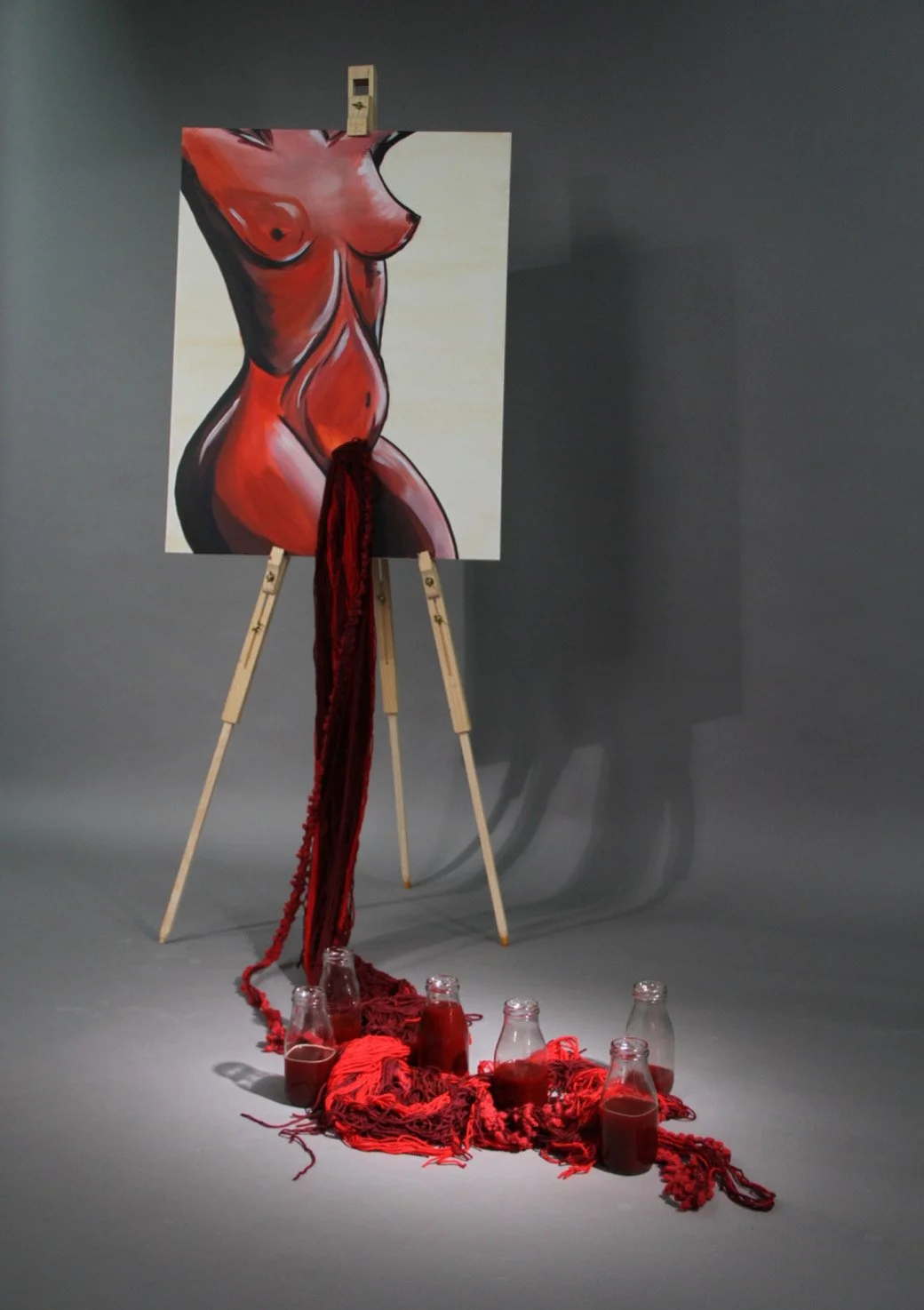
Easy Way Out was conceived in response to the overturning of Roe v. Wade in the United States: a devastating regression not only for American women, but for reproductive rights globally. The decision sent a ripple through international politics, threatening to legitimise a broader retreat from reproductive healthcare. When a country with such considerable political influence takes a step backwards, the consequences rarely remain within its borders.
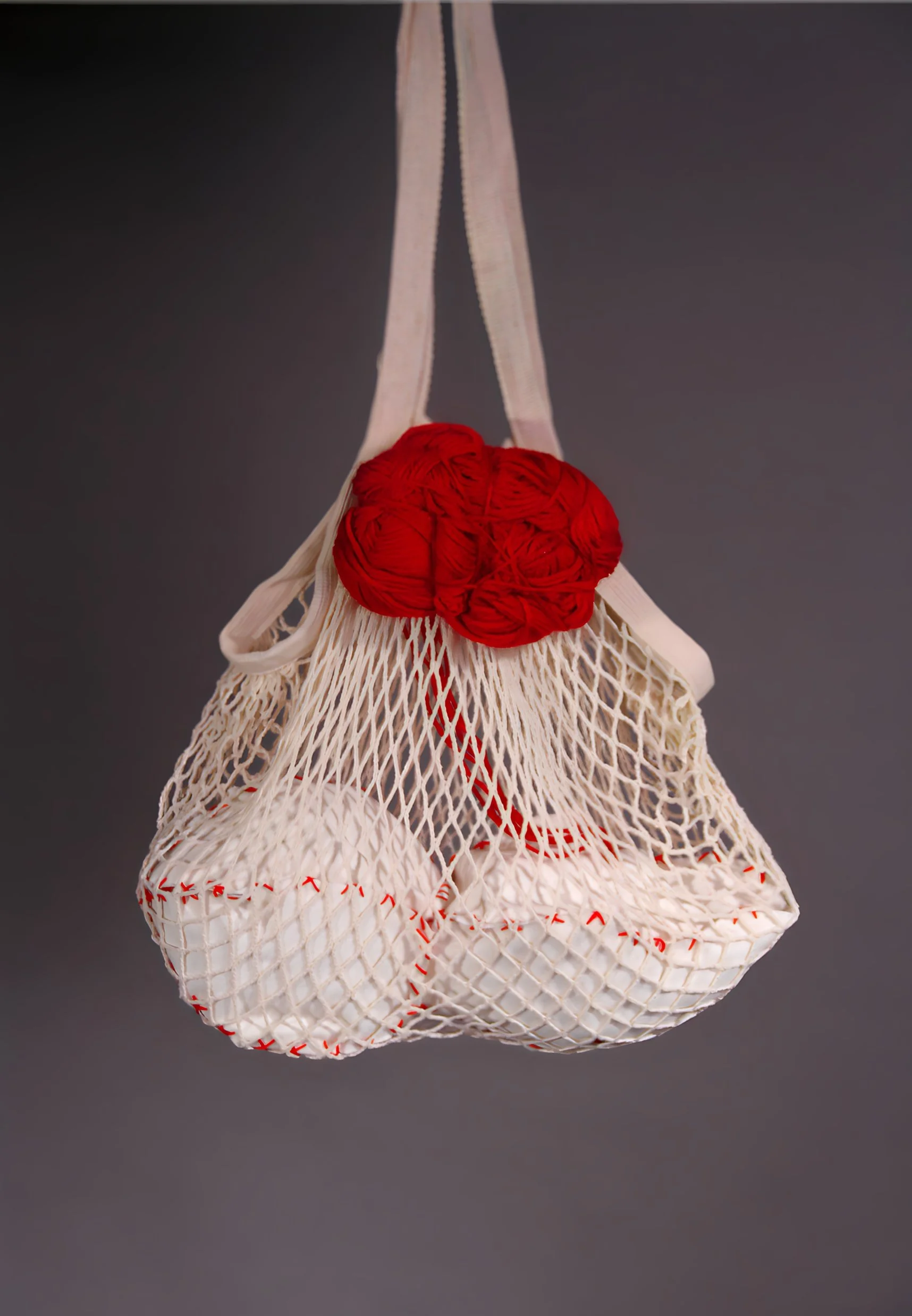
At the heart of this collection is a rejection of the language surrounding abortion, particularly the notion of choice. The idea that abortion is an easy or desirable alternative fundamentally misunderstands the experience. Nobody chooses to become pregnant with the intention of having an abortion. While there is a choice to be made, it is rarely one made without considerable physical, emotional or personal consequence. Abortion can be painful, agonising and deeply isolating. Yet women continue to navigate these experiences, often in the face of extraordinary judgement, stigma and restrictions, exercising their autonomy rather than submitting to the expectation that womanhood must necessarily culminate in motherhood.
There is also an injustice inherent to the distribution of responsibility. It takes two people to conceive, yet the physical consequences of pregnancy, and the burden of navigating its complications, fall disproportionately on women. That the authority to determine how those consequences are managed can then be placed in the hands of predominantly male political institutions is an injustice at the very heart of this collection.
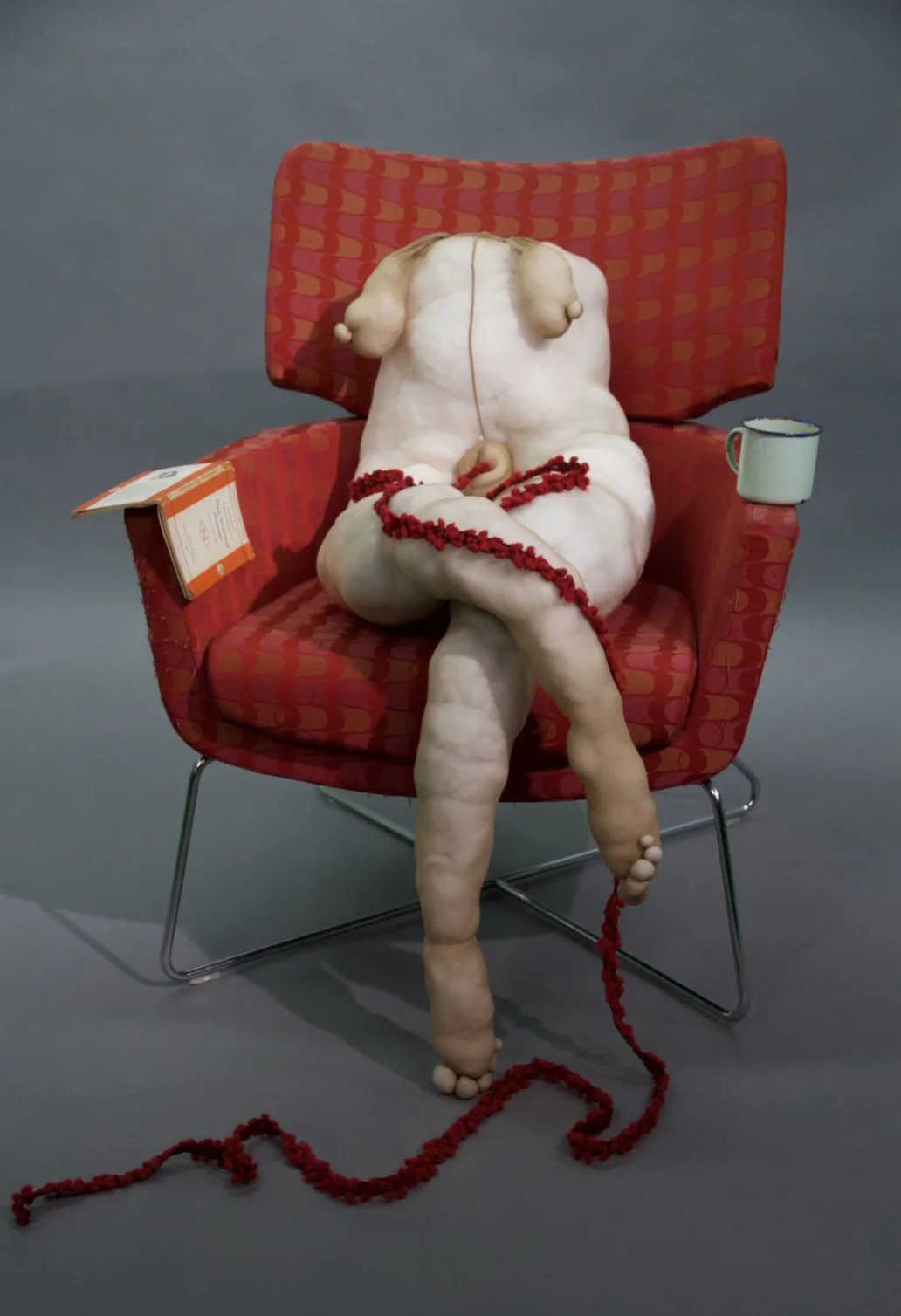
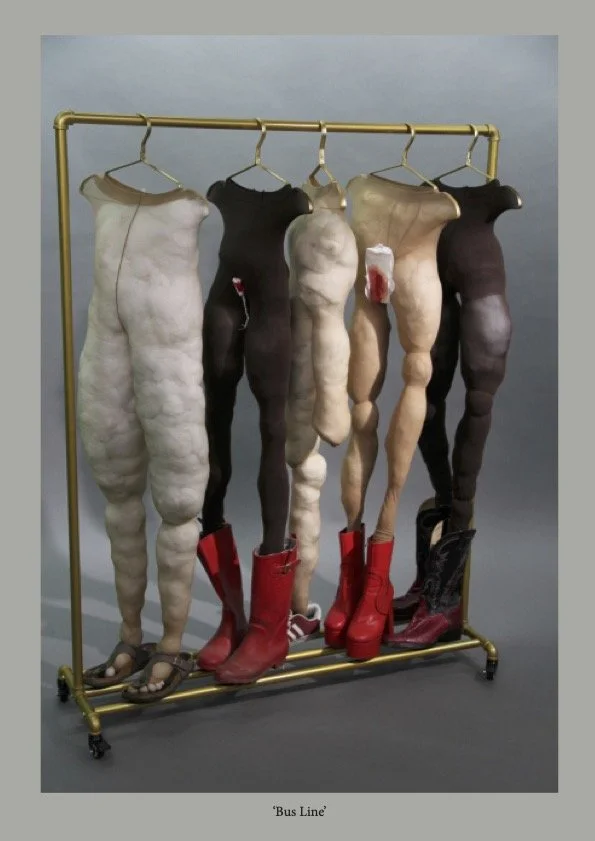
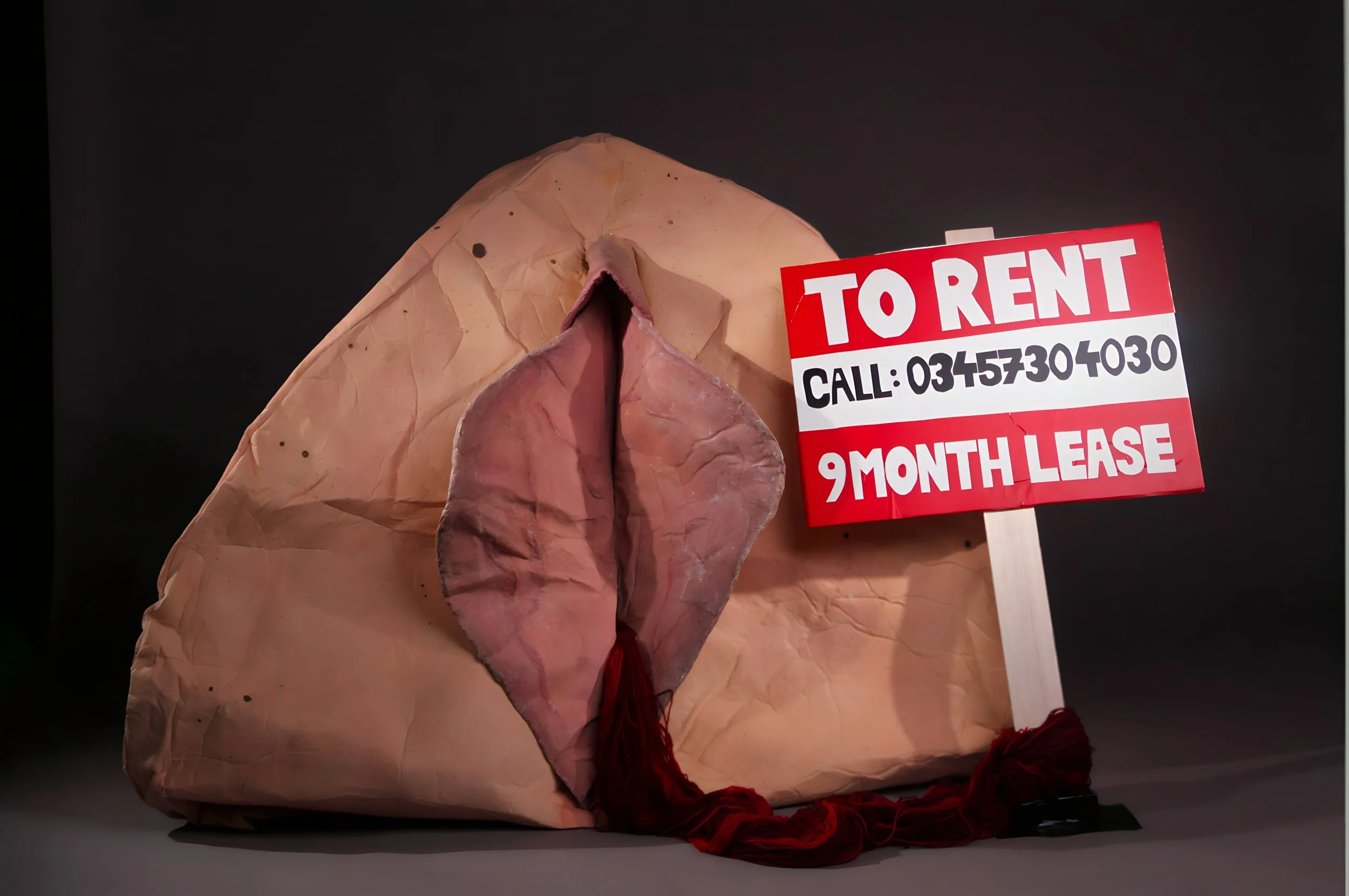
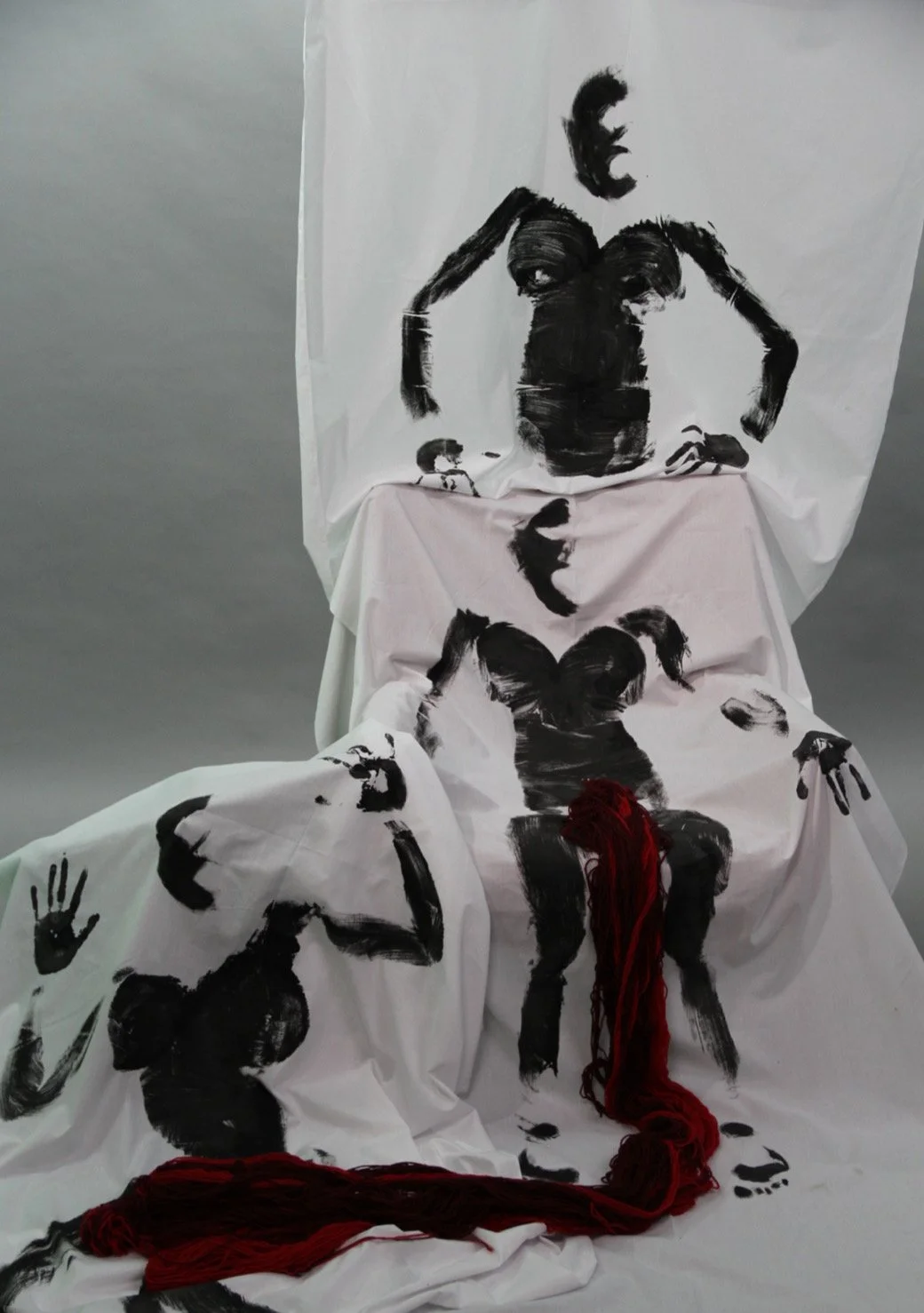
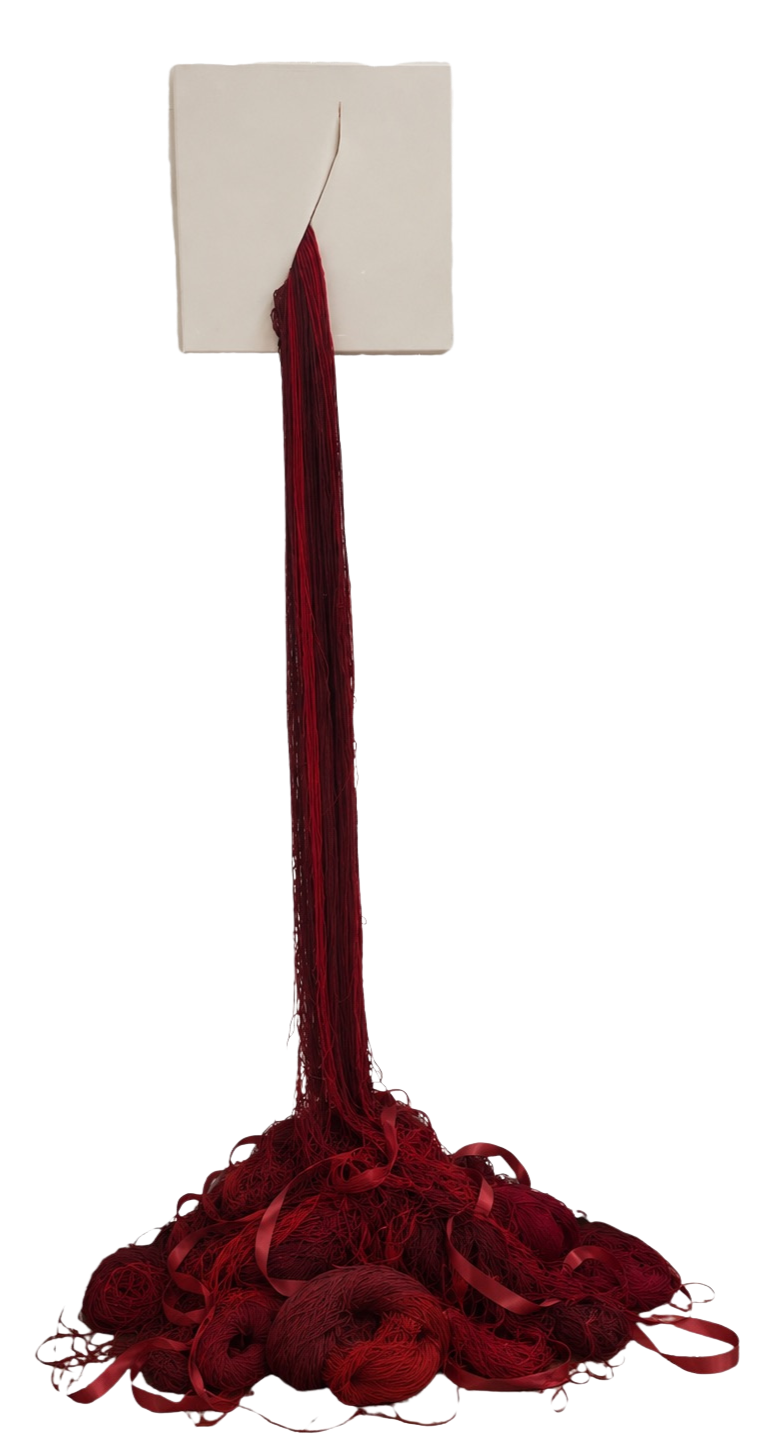
I wanted the work to be unsettling. I wanted it to be visceral, uncomfortable, even repulsive. It was never intended to be beautiful, because I felt that beauty would be an inappropriate response to something so profoundly distressing. Reproductive healthcare is healthcare, and when access to abortion is denied, the consequences are not abstract political disagreements: they are lived experiences of suffering, injury and, in some cases, death. There is something profoundly contradictory about claiming to protect life while denying women access to the healthcare necessary to preserve it.
If viewers find the work difficult to look at, perhaps that is precisely the point. I hope its confrontation captures even a fraction of the harm caused by the erosion of reproductive rights.
Easy Way Out is not about making abortion palatable. It is about refusing to make its realities invisible.